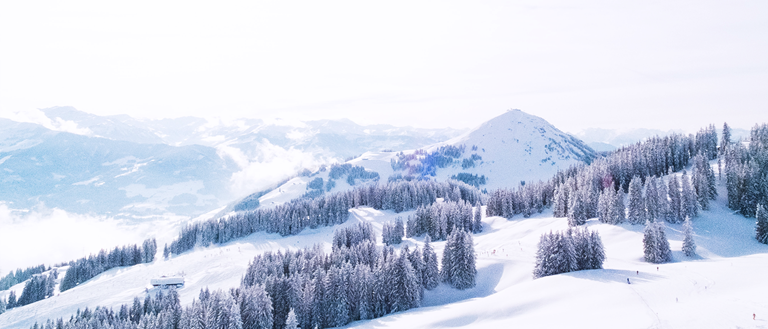
The best luxury ski resorts for advanced skiers are Verbier, Val d’Isère, Chamonix, St. Anton, Zermatt, Aspen Snowmass and St. Moritz. Verbier stands out for marked itinerary terrain, Chamonix for guided high-mountain descents, Val d’Isère and St. Anton for the breadth of their linked ski areas, and Aspen for demanding in-bounds terrain. Zermatt and Verbier add high-altitude skiing to an exceptional choice of properties, restaurants and experiences away from the slopes.
No single resort is best for every advnaced, confident skier. The right choice depends on whether you prefer steep pistes, moguls, freeride terrain, long technical descents or full days covering a large ski area. It also depends on the other people travelling with you. A resort that challenges the strongest skier must still work for the rest of the group.
Our specialists have first-hand knowledge of the resorts and properties in this guide. Here, we compare the terrain honestly, including the practical details and limitations that can shape a week in the mountains.
What makes a ski resort suitable for advanced skiers?
A strong expert ski resort offers more than a high number of black runs. Piste grading varies between countries and even between ski areas, so black-run totals are not directly comparable. More useful indicators include sustained vertical, steep or ungroomed terrain, marked ski routes, lift-served freeride access, snow reliability and the quality of local mountain guiding.
An advanced skier should be able to make controlled turns on steep pistes in changing snow, handle moguls and narrow sections, and manage speed confidently. Off-piste skiing is a separate discipline. It requires suitable equipment, knowledge of avalanche risk and, in unfamiliar terrain, skiing with a qualified local guide.
The best luxury ski resorts for expert skiers at a glance
| Resort | Ski area size | Highest skiable altitude | Terrain | Best for |
| Verbier | 410km in the Four Valleys | 3,330m | Steep pistes, marked itineraries, freeride bowls and moguls | Freeride-minded groups |
| Val d’Isère | 300km with Tignes | 3,400m | High-altitude red and black pistes, steep descents and lift-accessed off-piste | The strongest all-round option |
| Chamonix | Over 110km of marked pistes | 3,300m | Separate ski sectors, steep pistes, glaciated off-piste and high-mountain descents | High-mountain, glacier skiing |
| St. Anton | 300km marked; 200km ski routes | 2,800m | Steep pistes, extensive ski routes, freeride and long linked circuits | Freeride and lively après-ski |
| Zermatt | 360km cross-border area | 3,883m | Long red and black pistes, glacier terrain and cross-border mileage | Mileage, altitude and dining |
| Aspen Snowmass | 2,300+ hectares across four mountains | 3,777m | Double-black bowls, chutes, glades and steep tree skiing | Controlled in-bounds challenge |
| St. Moritz | 350km across nine areas | 3,303m | Fast groomed pistes, long black descents and glacier terrain | Technical skiing with a broader luxury stay |
Ski resorts for advanced skiiers
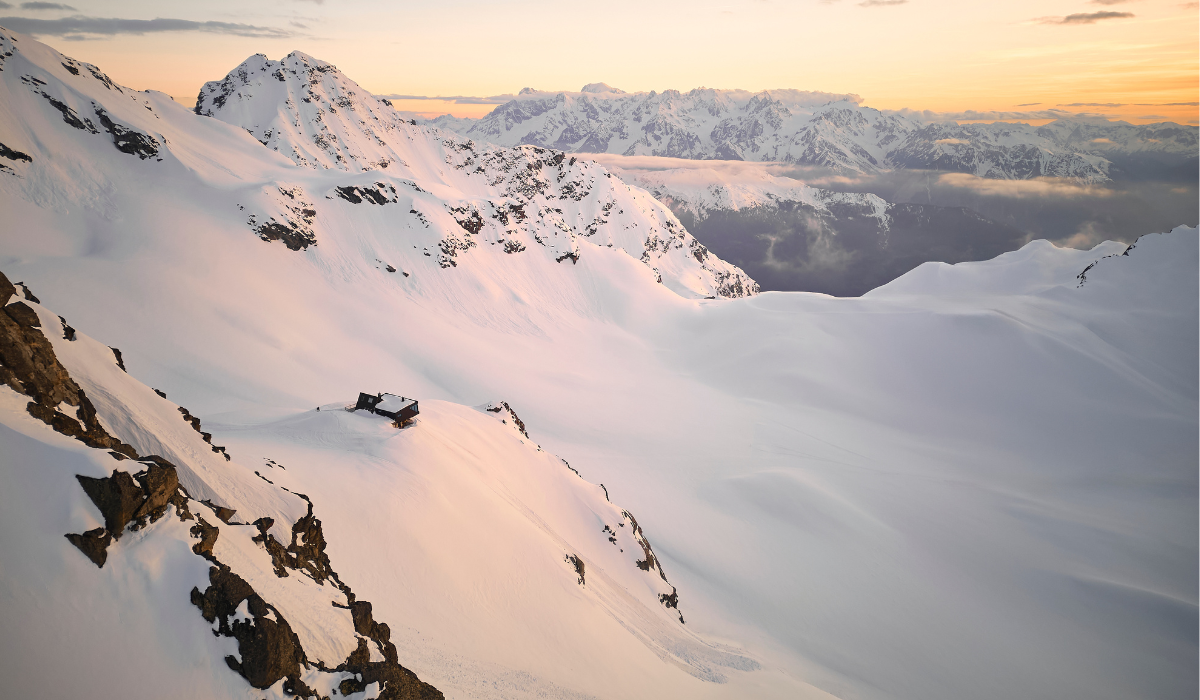
Verbier, Switzerland: best for marked itineraries and freeriders
Verbier gives expert skiers access to 410km of pistes in the Four Valleys, rising to 3,330m at Mont Fort. Its reputation rests not only on black pistes, but also on marked, ungroomed itinerary terrain. The descents around Mont Fort, Tortin and Vallon d’Arbi can provide long, technical skiing when conditions allow.
This is a strong choice for confident groups who want demanding skiing during the day and a lively, sophisticated resort afterwards. It also works well when a group needs a substantial choice of private chalets, although property location matters. Verbier is spread across the hillside, so proximity to Médran or a dedicated driving service can materially improve the week.
Good to know: Marked itineraries are not the same as groomed pistes. Their opening depends on snow and avalanche conditions, and a guide remains valuable when exploring beyond familiar routes.
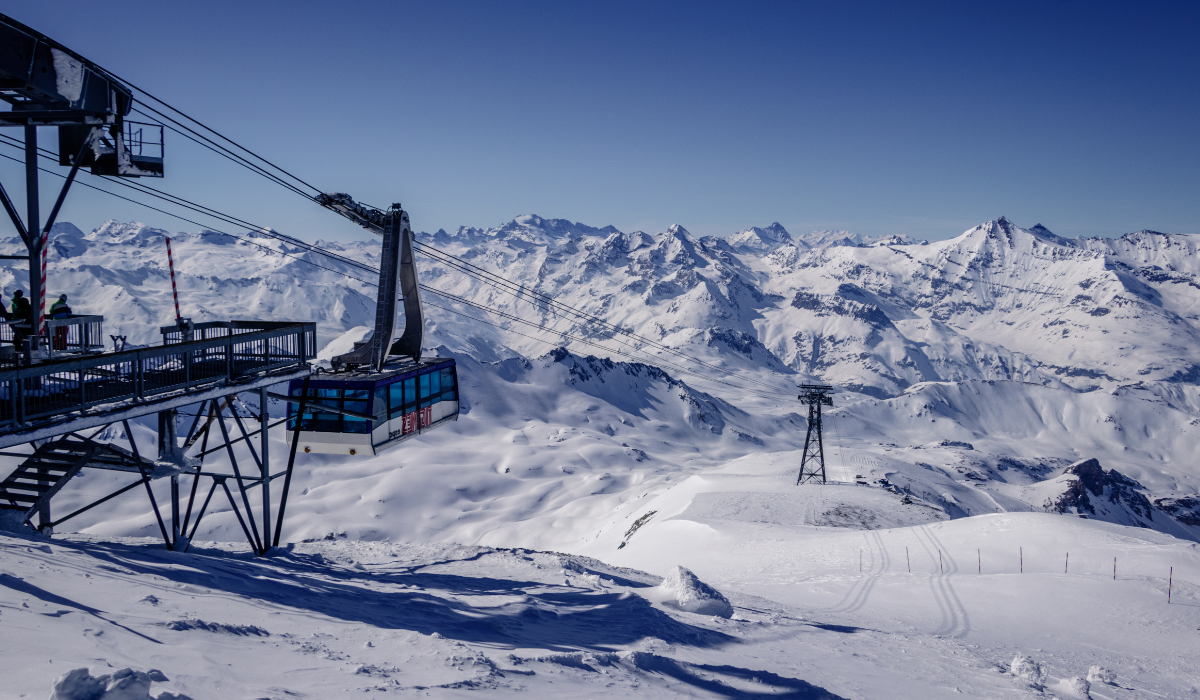
Val d’Isère, France: best all-round luxury resort for strong skiers
Val d’Isère is linked with Tignes to create a 300km ski area extending above 3,400m. Its 32 black pistes include the Face de Bellevarde, the Olympic downhill that returns directly to the resort. The Bellevarde, Solaise and Le Fornet sectors provide enough variety for strong skiers to remain engaged throughout a full week.
For many groups, Val d’Isère is the most complete answer. It combines serious skiing, reliable altitude, accomplished local guides and a broad choice of chalets and hotels. There is also enough terrain for less experienced skiers, making it easier to bring different abilities together without compromising the strongest members of the party.
Good to know: The most thrilling off-piste routes are highly condition-dependent. Book a guide in advance, particularly during peak weeks, rather than treating guiding as a decision for the first morning.
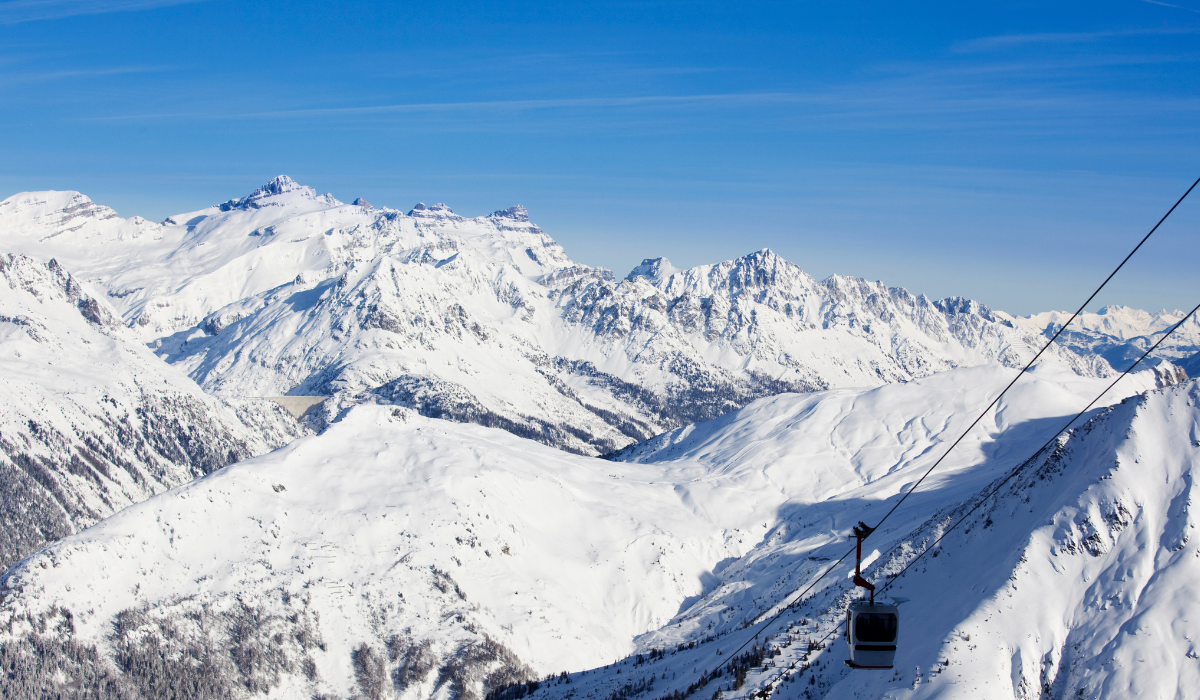
Chamonix, France: best for guided high-mountain skiing
Chamonix has a formidable mountaineering reputation and attracts skiers who value big-mountain terrain over a seamless piste circuit. The valley has over 110km of marked downhill pistes across separate ski areas. Grands Montets is known for high-altitude freeride terrain and substantial vertical, while the Aiguille du Midi gives access to the 20km Vallée Blanche glacier itinerary. The Vallée Blanche is reserved for skiers accompanied by a guide.
Choose Chamonix if the objective is guided off-piste skiing and technical mountain days. It is less suitable for a group that wants to leave one central lift each morning and remain within a single linked piste network. Transfers between the valley’s ski areas need to be planned, and the continuing Grands Montets reconstruction means lift access is not identical to the historic set-up.
Good to know: Glaciated terrain adds crevasse and route-finding hazards. Even highly accomplished piste skiers should not approach the Vallée Blanche as an ordinary black run.
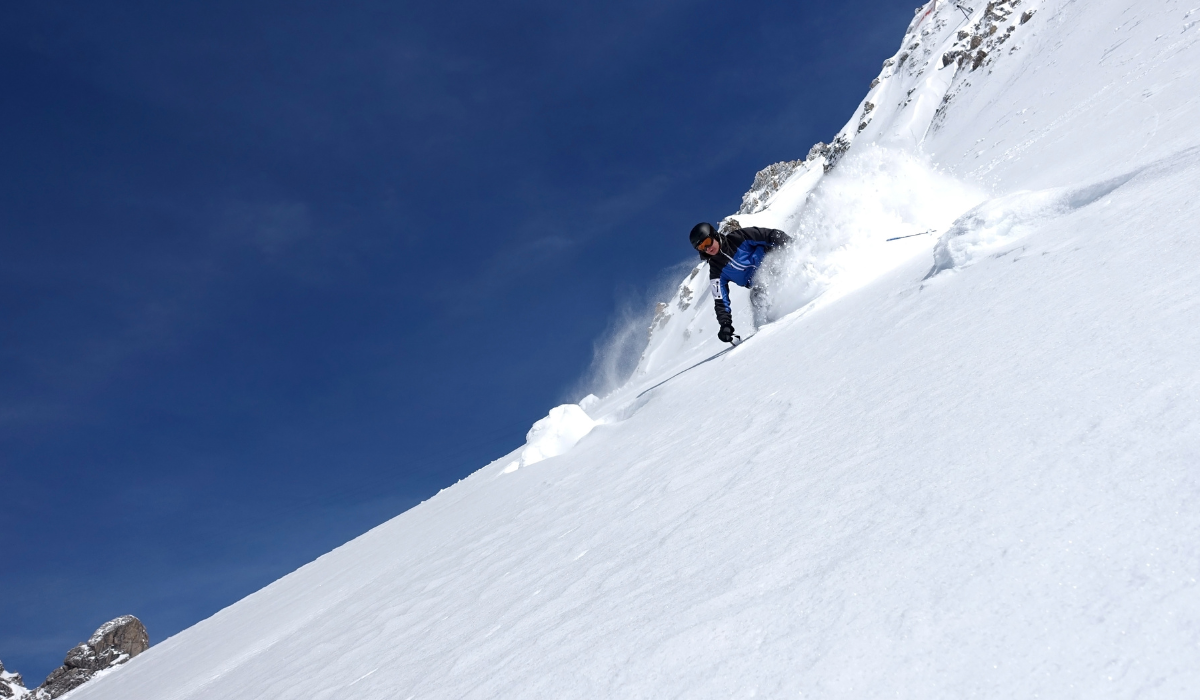
St. Anton, Austria: best for freeride range and energetic après-ski
St. Anton sits within Ski Arlberg, Austria’s largest linked ski area. The domain has 300km of marked pistes, 200km of ski routes and 85 lifts connecting St. Anton with St. Christoph, Stuben, Zürs, Lech, Warth and Schröcken. Terrain around Galzig, Schindler and Valluga gives advanced and expert skiers considerable range, while the 85km Run of Fame creates an ambitious full-area circuit.
St. Anton suits strong skiers who want to cover ground, explore ski routes and enjoy a sociable resort at the end of the day. The central village is convenient for the Galzig and Rendl lifts, while chalets further from the centre often work best with a driving service.
Good to know: The freeride reputation should not obscure the need for local knowledge. Routes from the high Valluga sector and unmarked terrain should be skied with an appropriately qualified guide.
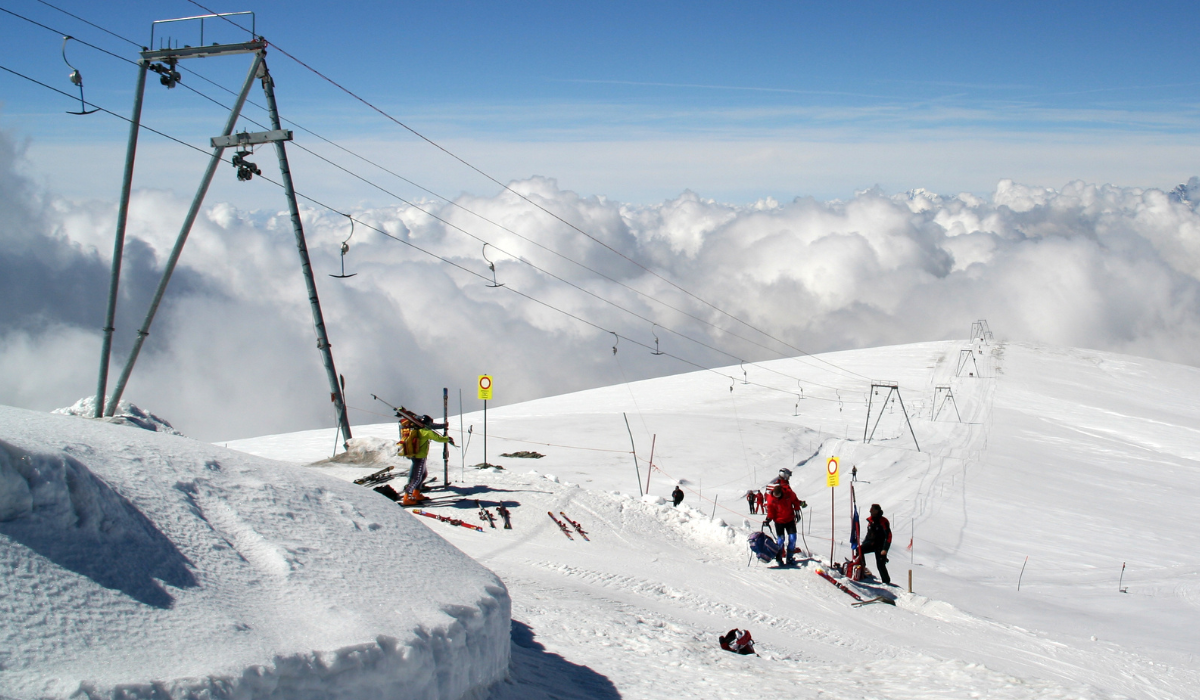
Zermatt, Switzerland: best for altitude and long international ski days
Zermatt forms part of a 360km international ski area with Cervinia and Valtournenche in Italy. The lift network reaches 3,883m, making it one of the highest ski destinations in the Alps. For experts, the appeal lies in sustained high-altitude skiing, long red and black descents, glacier terrain and the ability to build substantial point-to-point days across the border.
Zermatt is a persuasive choice when the holiday must deliver as much away from the pistes as it does on them. The car-free village has an exceptional hotel and restaurant scene, and the Matterhorn gives the area an unmistakable identity. It works particularly well for accomplished skiers who value distance, altitude and variety rather than spending every day on the steepest possible terrain.
Good to know: The link to Italy can close in high winds or poor weather. Treat a cross-border lunch booking as weather-dependent and allow enough time for the return journey.
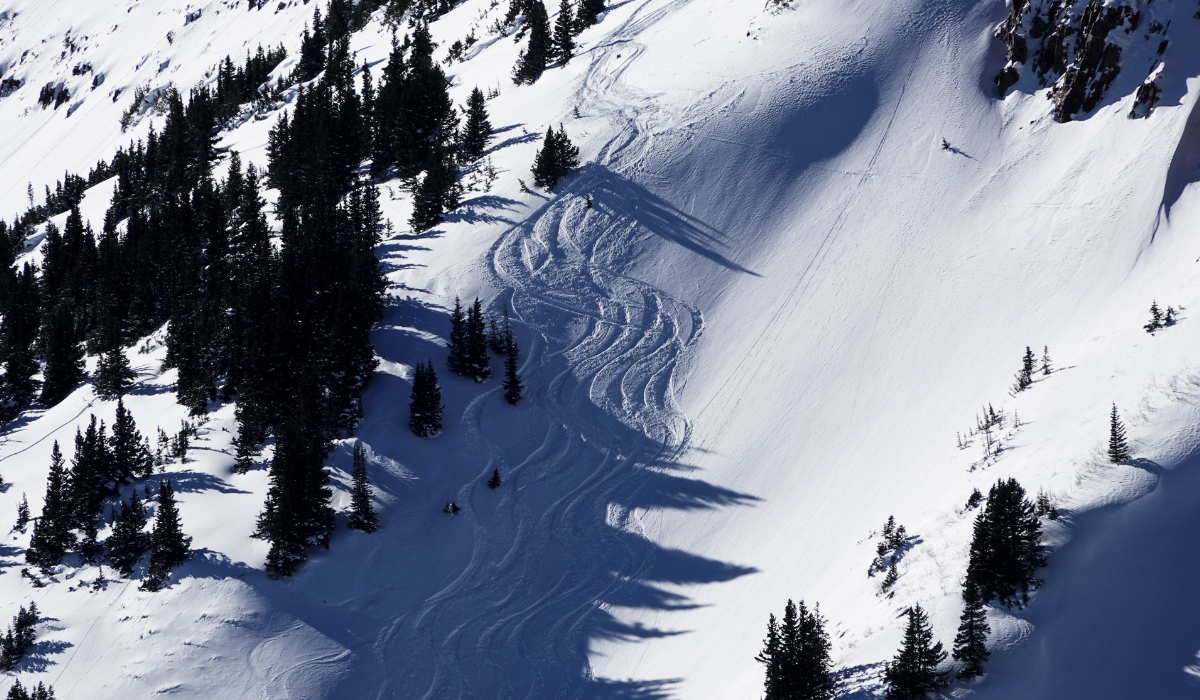
Aspen Snowmass, USA: best for expert in-bounds terrain
Aspen Snowmass offers more than 5,700 acres across Aspen Mountain, Aspen Highlands, Buttermilk and Snowmass, all on one lift ticket. Aspen Highlands is the expert focus. Its 270-acre Highland Bowl is reached by a steep hike and is graded entirely double black diamond, with pitches ranging from 38 to 48 degrees. Deep Temerity and the Steeplechase sector add steep tree skiing and direct fall-line terrain.
Aspen is an excellent North American choice for skiers who want demanding terrain within the managed ski boundary. The four-mountain format also suits mixed groups: experts can spend time at Aspen Highlands and Aspen Mountain while less experienced skiers use Snowmass or Buttermilk. Downtown Aspen then provides a strong hotel, dining and cultural offer.
Good to know: The Highland Bowl hike tops out at 12,392 feet, or approximately 3,777m. Fitness and acclimatisation matter as much as skiing technique.
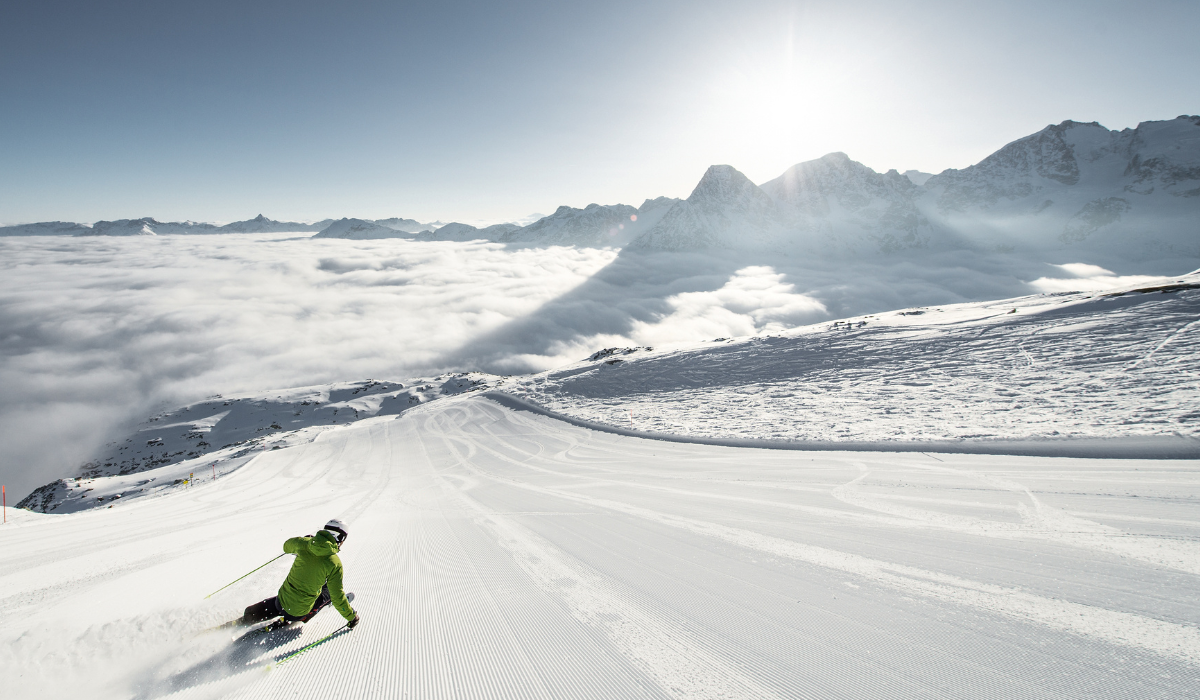
St. Moritz, Switzerland: best for technical skiing and a broader luxury stay
St. Moritz gives access to 350km of skiing across nine areas, with a highest point of 3,303m. Corviglia offers immaculate, fast pistes with World Championship heritage. Corvatsch adds the 9km Hahnensee descent towards St. Moritz Bad, while Diavolezza is known for its 10km glacier descent to Morteratsch.
This is not the most concentrated freeride destination in the list, but it is one of the strongest choices when expert skiing needs to sit alongside leading hotels, winter events, dining and activities for non-skiers. It is particularly well suited to couples or groups who want rewarding mountain days without making steep terrain the sole purpose of the holiday.
Good to know: The Engadin ski areas are separate. A driver or well-planned transport makes it easier to combine Corviglia, Corvatsch and Diavolezza during the same stay.
Which expert ski resort should you choose...
- For off-piste terrain and a luxury chalet resort: Verbier.
- For the strongest all-round balance: Val d’Isère.
- For guided high-mountain terrain: Chamonix.
- For freeride range and energetic après-ski: St. Anton.
- For altitude and long cross-border adventure: Zermatt.
- For demanding in-bounds terrain in North America: Aspen Snowmass.
- For technical skiing combined with luxury hotels, fine-dining and culture: St. Moritz.
The deciding factor is often the composition of the group rather than the ability of its strongest skier. Tell us how each person prefers to spend a day, how much guiding you want and what matters away from the slopes. We can then recommend the resort, property location and service set-up that fit the whole group.
Do advanced skiers need a mountain guide?
Yes, whenever you plan to ski unfamiliar off-piste or glaciated terrain. A guide does more than lead the way. They are experts of that particular resort and can assess current snow and avalanche conditions, choose routes appropriate to the group and help organise the correct safety equipment. Their judgement is particularly important in Chamonix, Verbier, St. Anton, Val d’Isère and Zermatt, where a route that is suitable one day may be inappropriate the next.
We can arrange qualified guides and instructors as part of the complimentary pre-arrival concierge service. These should be booked early for peak weeks and for days with a specific objective.
Explore why hiring a ski guide for your next ski holiday changes everything.
Plan a luxury ski holiday for expert skiers
Speak to our expert team about the terrain you want to ski, the people travelling with you and the style of property you prefer. We will recommend the resort and accommodation with the right balance of skiing, service and location. Our Experience Team can help arrange guides, equipment delivery, transfers and the finer details of the ski trip.

Frequently asked questions
What is the best ski resort in Europe for expert skiers?
Verbier and Val d’Isère are the strongest all-round choices. Verbier has an exceptional network of marked itinerary terrain, while Val d’Isère combines demanding pistes and off-piste access with 300km of linked skiing and more options for mixed-ability groups.
Which luxury ski resort is best for off-piste skiing?
Chamonix is the clearest choice for guided high-mountain skiing, particularly the Vallée Blanche and terrain around Grands Montets. Verbier, St. Anton and Val d’Isère also have extensive off-piste possibilities. Conditions and guiding are decisive in every case.
Which resort is best for advanced skiers who are not yet experts?
Val d’Isère is particularly good for progression because it combines long red pistes, challenging black runs and excellent instruction within a large linked area. Zermatt also suits strong skiers who enjoy high-altitude mileage more than very steep terrain.
Which resort is best for an expert skier travelling with a mixed-ability group?
Val d’Isère, Aspen Snowmass and Zermatt all work well. Each offers enough terrain for experts while retaining ski schools, gentler sectors and a strong choice of experiences away from the slopes.
Is a black piste the same difficulty in every country?
No. Piste grading is local and relative to the rest of that ski area. Snow, visibility, grooming and traffic can also change the difficulty of the same run from one day to the next.
Do I need avalanche equipment for off-piste skiing?
Yes. The usual minimum is a transceiver, shovel and probe, together with the knowledge to use them. A qualified guide will advise on the equipment, route and current avalanche conditions.